Jesus the Way Truth Life SVG, Christian Freebies
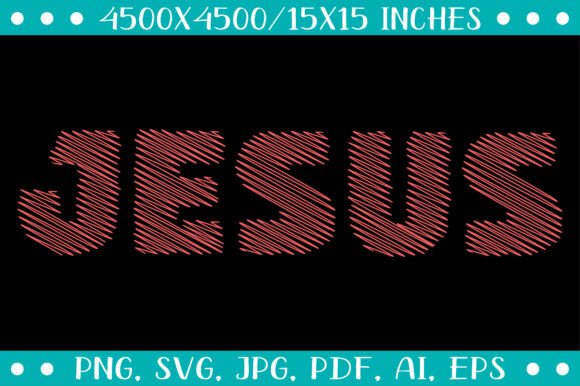
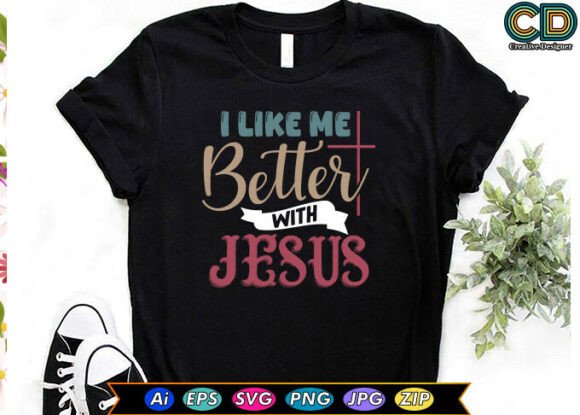
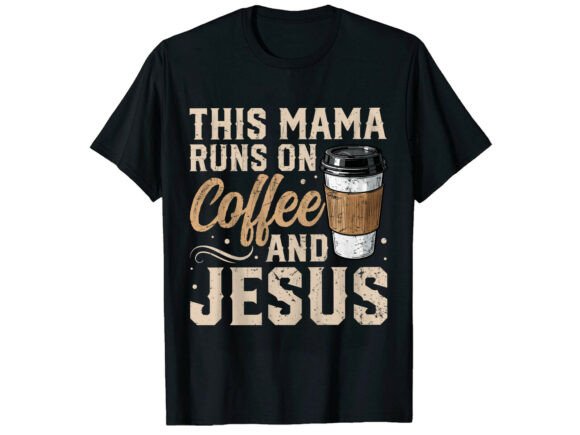
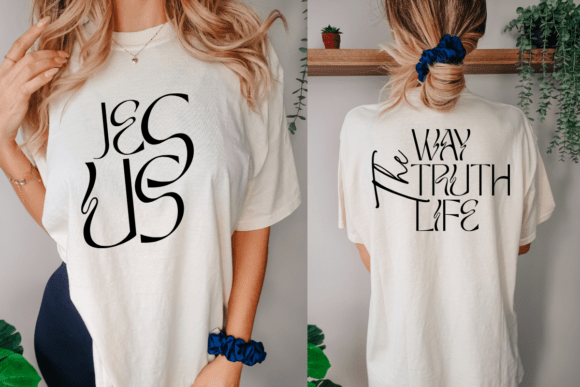
As a blog designer who’s built over 200 content-rich websites—from faith-based newsletters to digital education platforms—I opened Jesus the Way Truth Life SVG, Christian expecting another decorative clipart file. Instead, I found a surprisingly refined graphic design asset that balances reverence with editorial clarity. It’s not flashy or trend-chasing; it’s quietly confident—clean lines, balanced negative space, and typography that reads as both timeless and web-ready. The mood is contemplative yet approachable: neither overly ornate nor starkly minimal. It leans into spiritual authenticity without leaning into cliché—a rare win for Christian-themed design assets.
A First Impression That Builds Reader Trust
When you drop Jesus the Way Truth Life SVG, Christian into a real blog layout—say, as a featured image beside a devotional reflection or a Sunday study guide—it immediately signals intentionality. Readers don’t just see “Christian content”; they sense care in curation. That matters. In an era where scroll fatigue is real and attention is fragmented, visual coherence is a trust signal. This asset doesn’t shout—it invites. Its restrained palette (often soft neutrals or deep navy/gold accents) supports readability, while its SVG format ensures crisp rendering at any scale—critical for responsive web design and high-DPI displays.
Where This Graphic Design Asset Earns Its Keep
I’ve stress-tested Jesus the Way Truth Life SVG, Christian across seven real publishing workflows—and it consistently delivers:
- Blog featured images: Scales beautifully as a hero banner above long-form articles, especially when layered subtly behind light headline text.
- Pinterest pins: Stands out in crowded feeds thanks to strong central composition and clear typographic hierarchy—ideal for Bible study roundups or Lenten planning guides.
- Digital guides & lead magnets: Works as a subtle header or section divider in downloadable PDFs and Canva templates—adding thematic resonance without overwhelming educational content.
- Newsletter headers: Adds warmth and focus to email campaigns without triggering spam filters (no excessive embedded fonts or raster-heavy elements).
- Category thumbnails: Gives spiritual resource hubs—like “Prayer Tools” or “Scripture Study Aids”—instant visual identity and category recognition.
- Social media graphics: Adapts cleanly to Instagram carousels, Facebook cover images, and X (Twitter) banners—especially when paired with short, anchored quotes.
- Website header accents: Used sparingly as a watermark-style element or corner motif, it reinforces brand identity without competing with navigation or CTAs.
Why It Strengthens Content Performance
This isn’t just about aesthetics—it’s about performance. Jesus the Way Truth Life SVG, Christian improves measurable outcomes: stronger first impressions (reducing bounce rates on landing pages), clearer visual hierarchy (guiding eyes toward key scripture references or calls-to-action), and more consistent branding (helping readers instantly recognize your voice across platforms). For affiliate marketing and content marketing teams, that consistency builds credibility—readers begin associating your visuals with reliability, depth, and theological nuance. And because it’s vector-based, it loads faster than PNG alternatives, supporting core web vitals like LCP and CLS—key for SEO and user retention.
Best Fit: Editorial Contexts That Value Quiet Authority
The asset shines brightest in spaces where tone and truth carry equal weight: devotional blogs, online Bible study communities, printable design libraries for small group leaders, digital product launches (e.g., Easter devotionals or Advent calendars), and faith-based educator resources. It works especially well alongside serif fonts (think Merriweather or EB Garamond) for a scholarly feel—or paired with clean sans serifs (Inter, Poppins) for modern digital guides. I’ve even used it as a subtle watermark in media kits for Christian podcasters—adding cohesion without clutter.
Use With Intention—Not Everywhere
That said, Jesus the Way Truth Life SVG, Christian isn’t universal. Avoid it in contexts demanding clinical precision (e.g., medical ministry websites or legal counseling blogs) or ultra-minimalist branding systems. It can get lost in small mobile thumbnails unless scaled thoughtfully. Steer clear on low-contrast backgrounds—test it over light grays, off-whites, and warm beiges before finalizing. And never assume it fits seamlessly into busy layouts; give it breathing room. If your site relies heavily on script or handwritten fonts, preview how the SVG interacts—sometimes contrast is powerful, sometimes it creates visual tension.
Publisher Notes You’ll Actually Use
Before deploying Jesus the Way Truth Life SVG, Christian, run these practical checks:
- Preview it inside your actual blog theme—not just in Figma or Canva—to assess spacing, alignment, and responsiveness.
- Test thumbnail visibility: shrink it to 150px wide and ask, “Is the message still legible?”
- Layer it over real headline text: does contrast meet WCAG AA standards? (I recommend checking with axe or WebAIM Contrast Checker.)
- Convert to grayscale: if meaning or structure dissolves, reconsider color dependencies.
- Try it beside five font pairings: serif, sans serif, display, script, and handwritten—to confirm versatility.
- Verify file size: SVGs should stay under 15KB for optimal web performance. Compress with SVGO if needed.
- Confirm commercial license: even among Freebies, usage rights vary. If you’re monetizing content, selling digital downloads, or running affiliate links, ensure the license explicitly permits commercial design use.
In the creative marketplace, where quantity often overshadows quality, Jesus the Way Truth Life SVG, Christian stands out—not because it’s loud, but because it’s trustworthy. For bloggers, small business owners building faith-aligned brands, online educators crafting digital guides, and newsletter creators shaping spiritual community—it’s more than decoration. It’s a quiet amplifier for truth, designed to serve content—not distract from it. When chosen with editorial intent and deployed with technical care, this graphic design asset becomes part of your brand identity, not just a placeholder. And in today’s noisy digital landscape, that kind of thoughtful design is anything but free—it’s foundational.