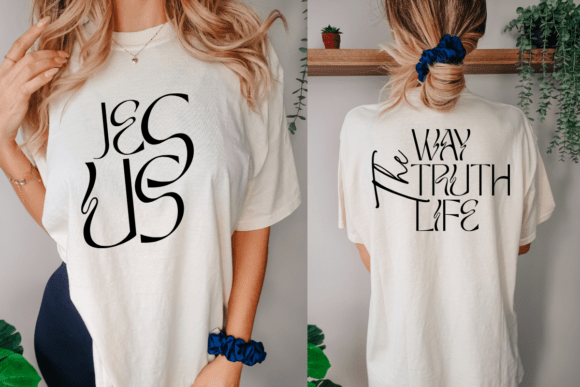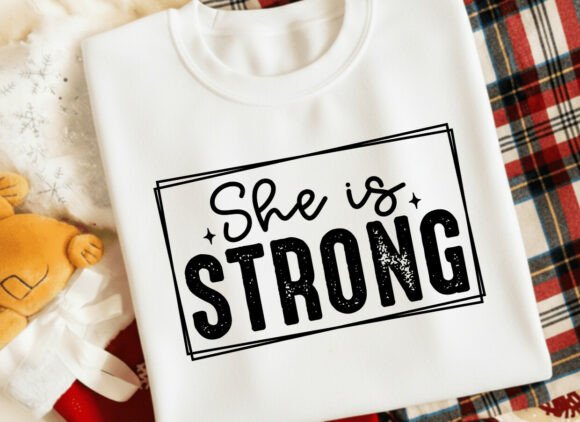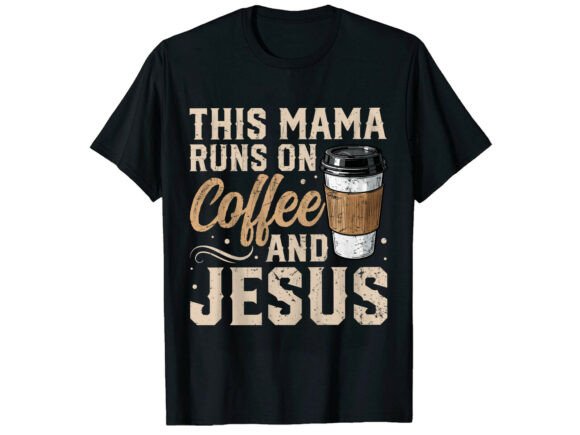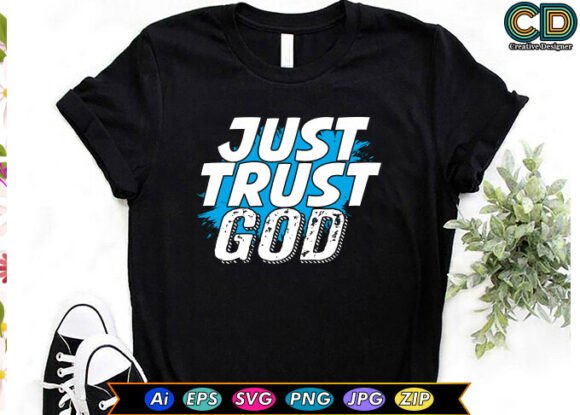
Christian Coffee SVG, Bible Freebies
A Warm, Faith-Fueled First Impression for Local Brands
Opening Christian Coffee SVG, Bible feels like stepping into a sunlit corner café where scripture and steam rise together—gentle but grounded, reverent but approachable. The design leans into soft organic linework, subtle cross motifs integrated into coffee cup handles or steam swirls, and thoughtful Bible verse fragments rendered in clean, legible script fonts. It’s neither overly ornate nor starkly minimal—it lands firmly in the “thoughtful handmade” zone: warm, trustworthy, and quietly confident. For a local business—say, a downtown bakery launching a “Grace & Grounds” seasonal line, or a small-batch candle brand named *Lamp & Latte*—this graphic design asset immediately signals intentionality, care, and spiritual resonance without leaning into cliché.
Where This SVG Fits Naturally in Real Business Design Work
In my recent branding project for a women-led herbal tea shop in Asheville, we used Christian Coffee SVG, Bible as a unifying visual thread across multiple touchpoints—not as a logo, but as a signature decorative element anchoring the brand identity. We applied it to product labels (as a subtle watermark behind ingredient lists), packaging accents (embossed on kraft tea box lids), hang tags for gift sets, and social media graphics announcing Lenten blends. It also anchored our printable thank-you cards and seasonal email headers—always scaled thoughtfully, never competing with core messaging. Because it’s delivered as an SVG, we edited stroke weights and simplified paths for crisp 12pt print usage, then exported clean PNGs with alpha transparency for web banners and Canva templates. That flexibility is rare among freebies—and invaluable for small business branding.
Strengthens Key Brand Presentation Goals
- Stronger first impression: Customers instantly recognize the blend of faith and everyday ritual—no explanation needed.
- Better product recognition: Used consistently across jars, bags, and digital ads, it builds visual memory faster than text alone.
- Clearer visual hierarchy: When layered behind bold sans-serif headlines or paired with serif body copy, it recedes gracefully—supporting, not overwhelming.
- More consistent brand identity: Whether printed on compostable pouches or animated in Instagram Stories, the vector integrity holds.
- Improved customer trust: Its sincerity reads as authentic—not stocky or algorithmic—critical for local business credibility.
- Better shelf appeal: On crowded farmers’ market tables or boutique shelves, its warmth stands out next to generic clipart or overdesigned competitors.
Best Use Cases: Where Christian Coffee SVG, Bible Shines
This graphic design asset excels where emotional resonance matters most: product mockups for Etsy sellers, hero graphics for church co-op pop-ups, decorative borders on printable inserts for subscription boxes, and festive packaging accents for Advent calendars or Easter collections. We used it as a foil to hand-lettered typography on greeting cards for a local florist’s “Bloom & Belong” campaign—softening the layout while reinforcing values. It also works beautifully in editorial design contexts: think newsletter headers for faith-based food blogs or website banners for Christian homeschool co-ops selling homemade granola. As a digital product, it scales effortlessly from 2-inch sticker die-cuts to 48-inch retail posters—making it ideal for creative entrepreneurs juggling multiple formats.
Use With Intention—Not Everywhere
While versatile, Christian Coffee SVG, Bible isn’t universal. Avoid using it in formal corporate branding (e.g., law firm letterheads) or for businesses positioning themselves as strictly secular. It’s too expressive for ultra-minimalist luxury brands—imagine pairing it with a monochrome skincare line using only Helvetica Neue Light. Steer clear on ingredient-heavy labels where clarity trumps decoration, or in legal disclaimers where visual noise undermines compliance. Also test carefully on low-contrast backgrounds: its delicate linework can vanish against light grays or beige kraft paper unless stroke weight is adjusted. And never assume it’s safe for physical product sales without verifying the commercial license—many freebies restrict resale use, which would jeopardize your handmade business or local product launch.
Practical Brand Designer Notes You’ll Actually Use
- Test it on real packaging mockups—not just screen previews—to gauge scale, spacing, and tactile impact.
- Check black-and-white output: does the design retain legibility when converted to grayscale for cost-effective printing?
- Preview it at actual label sizes (e.g., 1.5″ x 1.5″) before finalizing—some details collapse at tiny scales.
- Test it with your brand palette: does it harmonize with earthy ochres, cool teals, or warm creams—or clash with high-saturation tones?
- Compare side-by-side with top 3 competitor packaging designs—does it hold its own visually and tonally?
- Review print quality on your vendor’s press: vector fidelity doesn’t guarantee ink bleed control on textured stocks.
- Inspect SVG editability: can you isolate elements (cup vs. verse) for modular reuse? Or is it flattened?
- Test font pairings: it sings beside gentle serifs (Cormorant Garamond), grounded sans-serifs (Inter), and restrained scripts—but avoid busy handwritten fonts that fight for attention.
- Confirm commercial licensing explicitly—even if labeled “freebies,” verify permissions for client work, branded merchandise, and physical product sales.
Final Thought: A Thoughtful Tool, Not a Shortcut
Christian Coffee SVG, Bible isn’t a magic bullet—but in the hands of a local business owner or packaging designer who understands context, restraint, and brand voice, it becomes a quiet amplifier. It helps small businesses signal values without shouting, adds warmth without clutter, and supports professional branding without demanding a $5,000 retainer. When paired with intentional color, smart typography, and consistent application across packaging design, social media graphics, and product mockups, this one graphic design asset helps turn everyday products—coffee beans, soap bars, greeting cards—into meaningful moments. That’s the power of well-chosen, well-placed design. And yes—it’s worth checking the license, testing the contrast, and sketching it on real kraft paper before you hit “print.”