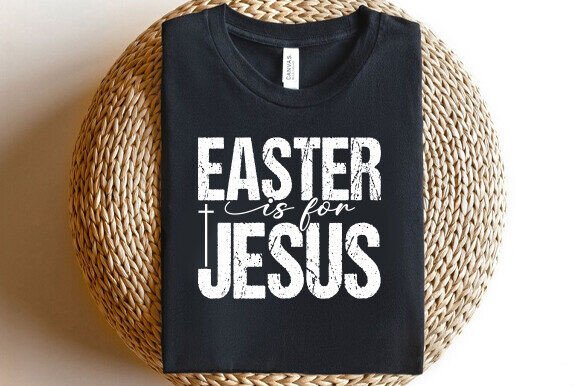
The Lord is My Shepherd SVG, Jesus SVG
A Quiet Strength That Stitches Well
When I opened The Lord is My Shepherd SVG, Jesus SVG for the first time, I didn’t see a religious cliché—I saw a design with quiet intention. The composition balances reverence and restraint: a gentle curve of script framing a central cross or shepherd motif (depending on the version), clean line weight, and breathing room between elements. It’s not ornate, but it’s not minimal to the point of emptiness either. That balance matters—especially when you’re stitching it onto a soft cotton tote for a church nursery fundraiser or embroidering it onto a lightweight baby onesie.
Where This Design Truly Belongs
I recently used The Lord is My Shepherd SVG, Jesus SVG as the centerpiece for a small-batch run of linen aprons sold through my Etsy shop. The design scaled beautifully at 3.5 inches wide—large enough to read clearly, small enough to sit gracefully above a pocket without overwhelming the fabric’s natural texture. It performed just as well on midweight cotton sweatshirts and unbleached tea towels. What stood out was how naturally it supported the product’s purpose: comfort, care, quiet faith—not flash or statement-making.
This isn’t a design that shouts. It leans into sincerity. That makes it ideal for handmade products where emotional resonance matters more than trend-chasing: personalized baby blankets, baptism gifts, hospice care kits, wedding guest favors, or boutique kitchen linens. For Etsy sellers and small shop owners, it adds warmth without requiring explanation—and that builds trust faster than clever copy ever could.
What Holds Up Under Real Stitching—And What Needs Care
The Lord is My Shepherd SVG, Jesus SVG is built for clarity, not complexity. Most versions use smooth satin stitch outlines and open fill areas—low stitch density, moderate thread coverage. That means fewer skipped stitches on textured fabrics like terry cloth or looped fleece, and less risk of puckering on delicate knits. I ran it successfully on a lightweight rayon-blend cap front using tear-away stabilizer and a size 75 needle—no backing distortion, no letter collapse.
But don’t assume it’s foolproof everywhere. On dark fabric, check contrast carefully: fine script lines can disappear if your thread color lacks enough value difference. On stretchy fabric (like jersey tees), use cutaway stabilizer—not just tear-away—and reduce hoop tension slightly. And avoid placing it near seams or curved edges on caps or baby hats unless you’ve tested the layout on your specific hoop size first. Tiny flourishes in some variants—like vine accents or micro-cross details—can blur or vanish under dense stitching or aggressive washing. If you’re planning holiday embroidery or frequent-use items like kitchen towels, simplify those optional elements or skip them entirely.
Design Integrity Meets Customer Expectation
People buy faith-based embroidery not just for meaning—but for dignity. A poorly digitized “Jesus SVG” can feel cheap or rushed, undermining both the message and your brand. The Lord is My Shepherd SVG, Jesus SVG avoids that trap. Its spacing is generous, its curves are smooth—not jagged or pixelated—and its proportions hold up whether stitched in navy on ivory linen or charcoal on oatmeal canvas. That consistency lifts the perceived value of your finished product. Customers notice when lettering doesn’t bleed, when corners stay crisp, when the design looks intentional—not imported from a free bundle.
For craft business owners, that translates directly to repeat buyers and word-of-mouth referrals. One customer emailed me saying, *“I bought this for my mom after her surgery—it felt like something she’d actually keep on her pillow cover, not tuck away.”* That kind of response doesn’t come from novelty. It comes from thoughtful design execution.
Practical Notes Before You Stitch
- Always test first—on scrap fabric matching your final project’s weight and stretch.
- Review thread colors before hooping: warm ivories and deep charcoals often read richer than pure black or white on natural fibers.
- Check stitch density—if your machine hesitates or fabric puckers, reduce density by 5–10% in fill areas.
- Confirm hoop size compatibility, especially if adapting for caps or curved surfaces.
- Inspect small details at actual stitch-out size—not just on screen. Zoom in on letter terminals and cross joints.
- Test in black-and-white mockups to assess contrast across light and dark backgrounds.
- Use appropriate stabilizer: cutaway for knits, tear-away for stable wovens, fusible for lightweight linens.
- Verify licensing terms before selling finished items or listing digital embroidery files—especially for commercial embroidery or print-on-demand integration.
Final Thought: It’s Not Just a T-Shirt Design
Yes, The Lord is My Shepherd SVG, Jesus SVG fits neatly into the T-Shirt Designs category—but reducing it to that misses its quiet versatility. It’s equally at home on a hand-stitched embroidered patch sewn onto a denim jacket, a subtle monogrammed pillow cover for a pastor’s study, or a limited-run series of holiday tea towels for a faith-based small shop. Its strength lies in what it doesn’t do: it doesn’t compete with the garment, doesn’t overwhelm the wearer, doesn’t demand attention—it invites reflection. And in a world full of noise, that kind of design doesn’t just stitch well. It lasts.