Easter SVG Christian Jesus Sublimation T-Shirt Designs
First Impression: A Reverent Yet Shareable Visual Tone
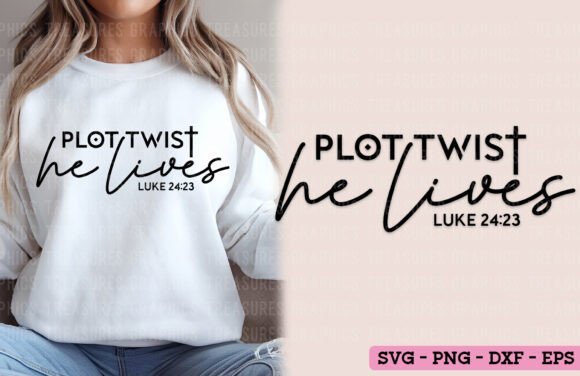
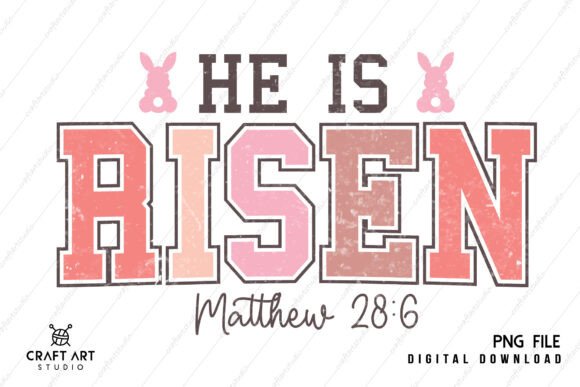
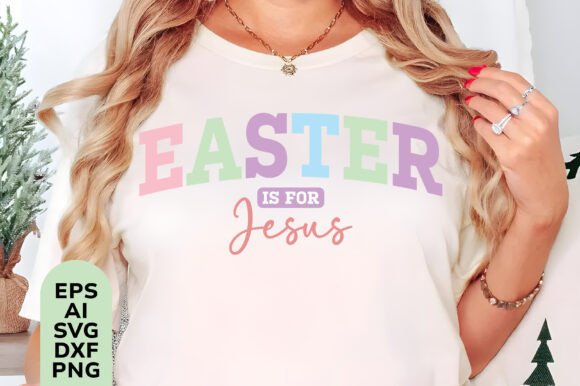
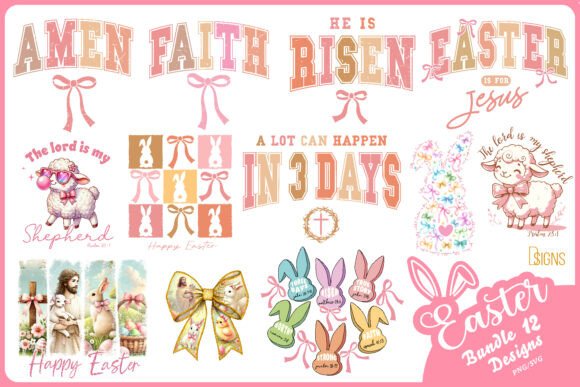
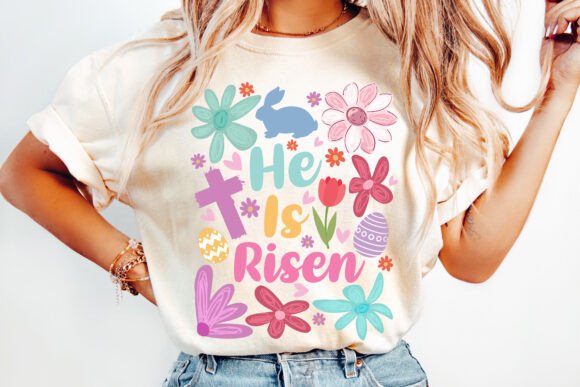
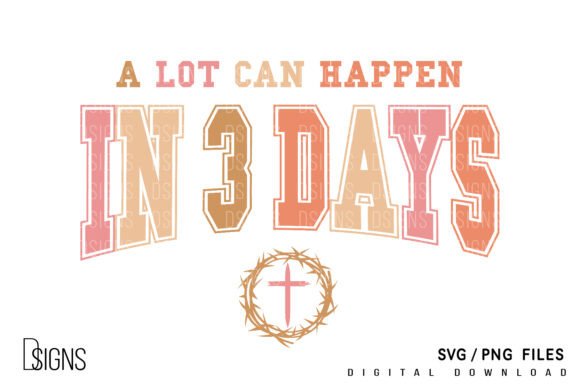
Opening the Easter SVG Christian Jesus Sublimation file, I immediately noticed its clean vector precision and intentional negative space—no pixelated edges, no muddy gradients. As a blog designer who’s curated thousands of graphic design assets for editorial use, this one lands with quiet confidence: it’s reverent without being stiff, seasonal without feeling dated, and illustrative without sacrificing scalability. It leans into a warm, modern design aesthetic—soft linework, balanced composition, and subtle symbolic detail (like a cross motif integrated into floral or sunrise elements). It doesn’t shout; it invites. That makes it ideal for faith-based bloggers, online educators teaching biblical themes, small business owners launching Easter-themed digital guides, and affiliate marketers promoting Christian lifestyle products.
Where This Graphic Design Asset Earns Its Place in Real Publishing Workflows
I tested Easter SVG Christian Jesus Sublimation across six live publishing touchpoints—and it performed strongest where emotional resonance and visual clarity matter most. In blog featured images, it elevated an otherwise text-heavy devotional post by anchoring the headline with dignified symbolism. As a Pinterest pin, it stopped scrollers mid-feed: the contrast between soft pastel backgrounds and crisp black-and-white SVG lines created instant category recognition (“Easter,” “Christian content,” “faith-based printables”). For newsletter headers and Canva templates, it added cohesion without overwhelming—especially when paired with serif body copy or gentle script accents.
It also shined as a digital product enhancer: I embedded it into a downloadable Easter reflection worksheet, used it as the cover art for a short digital guide on Resurrection Sunday traditions, and applied it to a lead magnet banner for a Lenten email series. Each time, it reinforced trust—not because it’s flashy, but because it looks intentionally crafted, not clip-art recycled. That distinction matters deeply in content marketing where readers scan for authenticity before they read a single word.
How It Strengthens Editorial Impact and Reader Trust
Visual hierarchy isn’t just about size—it’s about meaning. Easter SVG Christian Jesus Sublimation supports stronger hierarchy by giving editors a clear focal point that aligns with message intent. When placed beside headlines like “5 Gentle Ways to Teach Kids About the Resurrection” or “A Printable Easter Devotional for Busy Families,” the design doesn’t compete—it complements. That consistency builds brand identity over time, especially across seasonal content. Readers begin associating that thoughtful visual language with your voice, not just the holiday.
It also improves click-through potential on social media graphics and website headers. Unlike generic Easter bunnies or candy motifs, this asset signals specificity—ideal for niche audiences searching for Christ-centered content. And because it’s a vector-based SVG, it scales flawlessly from mobile article thumbnails to desktop hero banners, preserving sharpness and loading speed—critical for web design performance and SEO-friendly page experience.
Best Fit Use Cases
- Blog featured images and article thumbnails
- Pinterest pins and social media graphics targeting faith-based communities
- Newsletter headers and email campaign banners
- Digital guide covers and printable design layouts
- Content upgrades like Easter devotionals, prayer cards, or family activity kits
- Category visuals for Christian lifestyle blogs or small business branding
- Canva templates designed for church communicators or homeschool educators
Use With Intention—Not Everywhere
This graphic design asset shines brightest when given breathing room. Avoid cramming it into tiny mobile thumbnails where symbolic details vanish. Don’t layer it over busy photo backgrounds or low-contrast gradients—its strength lies in clarity, not complexity. Skip using it in corporate training decks or serious theological whitepapers unless the context explicitly calls for accessible, compassionate visual framing. And if your site runs a strict minimalist visual system (think monochrome, ultra-thin fonts, no decorative elements), Easter SVG Christian Jesus Sublimation may feel too expressive—reserve it instead for seasonal landing pages or dedicated resource hubs.
Practical Publisher Notes You’ll Actually Use
Before dropping Easter SVG Christian Jesus Sublimation into production, run these checks:
- Preview it at actual size—test how it renders as a 600×400 blog thumbnail and a 1000×1500 Pinterest pin.
- Embed it in a real blog layout—see how it interacts with your headline font (try pairing it with Georgia, Inter, and even a light script like Quicksand).
- Check contrast and readability—especially if overlaying text. Run it through a color contrast checker when placed on light pastels or off-whites.
- Test grayscale mode—many printable designs lose impact in black and white; this one holds up well, making it versatile for both digital and physical distribution.
- Verify file size and format—SVG is lightweight, but confirm it’s optimized (not bloated with unused layers) for fast-loading web design.
- Review licensing—this is a commercial design, so double-check the commercial license covers monetized websites, affiliate marketing pages, and paid digital downloads like eBooks or worksheets.
Final Thought: More Than a T-Shirt Design—It’s an Editorial Anchor
Let’s be clear: Easter SVG Christian Jesus Sublimation isn’t just another T-Shirt Designs download. It’s a versatile, emotionally intelligent graphic design asset built for real content publishing—not just merch. Whether you’re crafting a digital guide for new believers, designing a Canva template for church volunteers, or building a seasonal content hub for your faith-based blog, this asset helps you communicate reverence with clarity. It supports visual storytelling that feels human, not algorithmic. And in today’s crowded digital landscape, that kind of intentionality doesn’t just look better—it converts, connects, and endures.